Design System · 2017–2022
NUcleus
One system, many institutional identities.
NUcleus gave organizations across the University of Nebraska System a shared front-end foundation without forcing them into one visual expression. As the sole designer and front-end developer working across the broader web ecosystem, I proposed the system, set its product direction and built its code-first architecture. I then partnered with developers to integrate it into the university CMS.
The same system thinking later expanded into NUcleus for Apps through the work on Theorem.
- Role
- Lead designer/developer · Architect
- Team
- CMS developers · 20+ university teams
- Scale
- 9 brands · 3 apps
- Shipped
- Reference components · Sitecore integration
- Adoption
- Still in use on a new CMS
- Constraint
- Distinct brands, one foundation


One Brand, Many Sites
The University of Nebraska System had introduced a new brand, but its digital implementation was fragmented. Departments, institutes and programs served different audiences with different resources. Their sites ran on separate foundations, and common interface needs were repeatedly solved as one-off work.
An agency had established the visual direction and delivered two coded pages. My goal was to preserve that direction while replacing the front-end implementation with an architecture designed for reuse across the broader university ecosystem.
I audited the existing interfaces and used the repeated needs I found to make the case for a shared system. After receiving buy-in from my team and leadership, I created a roadmap that combined stakeholder requests with needs emerging from active projects.
The goal was not to make every university organization look the same. NUcleus needed to support distinct identities, work within the CMS, carry accessibility requirements into shared components and give distributed marketing teams more control over their own sites.


The audit showed common interface needs being solved independently across university properties. Those repeated decisions became the starting point for proposing a shared front-end system.
A Code-First Foundation
I structured NUcleus with ITCSS, which layers styles from broad global settings down to individual components. SCSS variables held the shared decisions for typography, color and spacing. They were organized in three layers: primitive, semantic and component.
I built each component first as working HTML and SCSS outside the CMS. Handlebars templates let me combine those components into full pages. That made it possible to test layouts and interactions before anything went into Sitecore.
NUcleus defined the front-end structure, behavior and presentation. Sitecore determined how content editors configured and assembled those components.
I designed and built the reference components, then partnered with CMS developers as they translated those patterns into configurable Sitecore components. The reference implementation gave them a concrete definition of the expected markup, responsive behavior and visual result.
Collaboration during integration resolved the differences between a controlled reference implementation and components that needed to support many sites, content types and editorial choices.
The result was composable infrastructure rather than a rigid collection of centrally controlled templates.


Shared reference components produced consistent front-end behavior across sites while leaving room for distinct content and institutional identities.
The System Grew Through Real Work
NUcleus was not designed in isolation and then handed to teams. It developed through active website engagements, with each project testing what the shared foundation could support and exposing what it still lacked.
Whenever possible, new sites used existing components. When a project introduced a genuinely reusable need, the resulting component returned to NUcleus. Course cards, for example, were first created for Nebraska Online and then became available to other teams through the shared library.
This created a compounding cycle:
- Reuse reduced new development
- Capacity supported better components
- New components expanded the library
- Later sites benefited
Reusable components also gave distributed marketing teams more control over their own sites, but self-service required more than access to building blocks. Hierarchy, composition, accessibility and content still required judgment, so training and ongoing guidance remained part of the system.
Each month, I reviewed adopted sites for drift. When an issue was local, I worked directly with that team. When the same issue appeared across implementations, I improved the shared component, guidance or tooling. Quarterly system collaborations were open to staff from every organization using NUcleus. Marketing and administrative staff learned about new components and shared how they were using them with peers across the university.
This direct stewardship kept NUcleus coherent while the system and the number of participating teams grew.
Stewardship also made communicators’ needs visible across a siloed university system. When several teams were trying to build the same thing on their own, that need moved up the roadmap.
NUcleus for Apps
The new University of Nebraska brand had not yet been translated into its applications. The work on Theorem created the opportunity to extend NUcleus beyond websites.
Theorem’s interface was first built as working code in HTML, SCSS and Handlebars. Those components became the start of NUcleus for Apps, the shared foundation for building university applications rather than websites.
Every component shipped with the same documentation: reference code, configuration options, accessibility requirements, implementation notes, version history and related components.
Theorem, NU Contacts and NU Data Access all shipped using NUcleus for Apps before I left the university in December 2022.
The reference patterns documented structure, behavior and visual expectations that engineering teams could carry into their production stacks. Engineering rebuilt Theorem’s complete shipped interface in React from the working reference experience.


Impact
NUcleus supported nine approved university brand expressions and more than 20 departmental and institutional teams. Theorem, NU Contacts and NU Data Access also shipped using NUcleus for Apps.
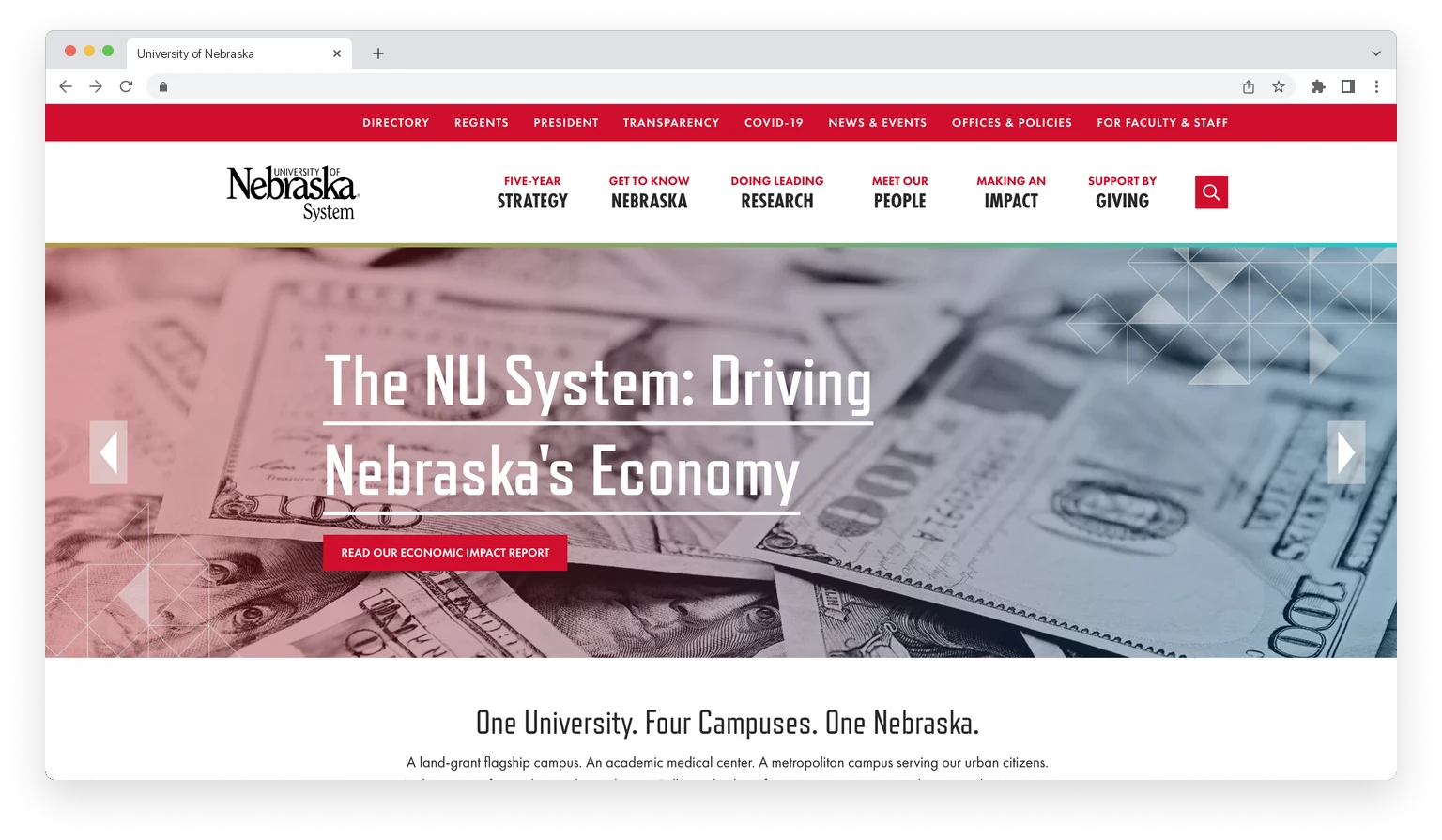 University of Nebraska System
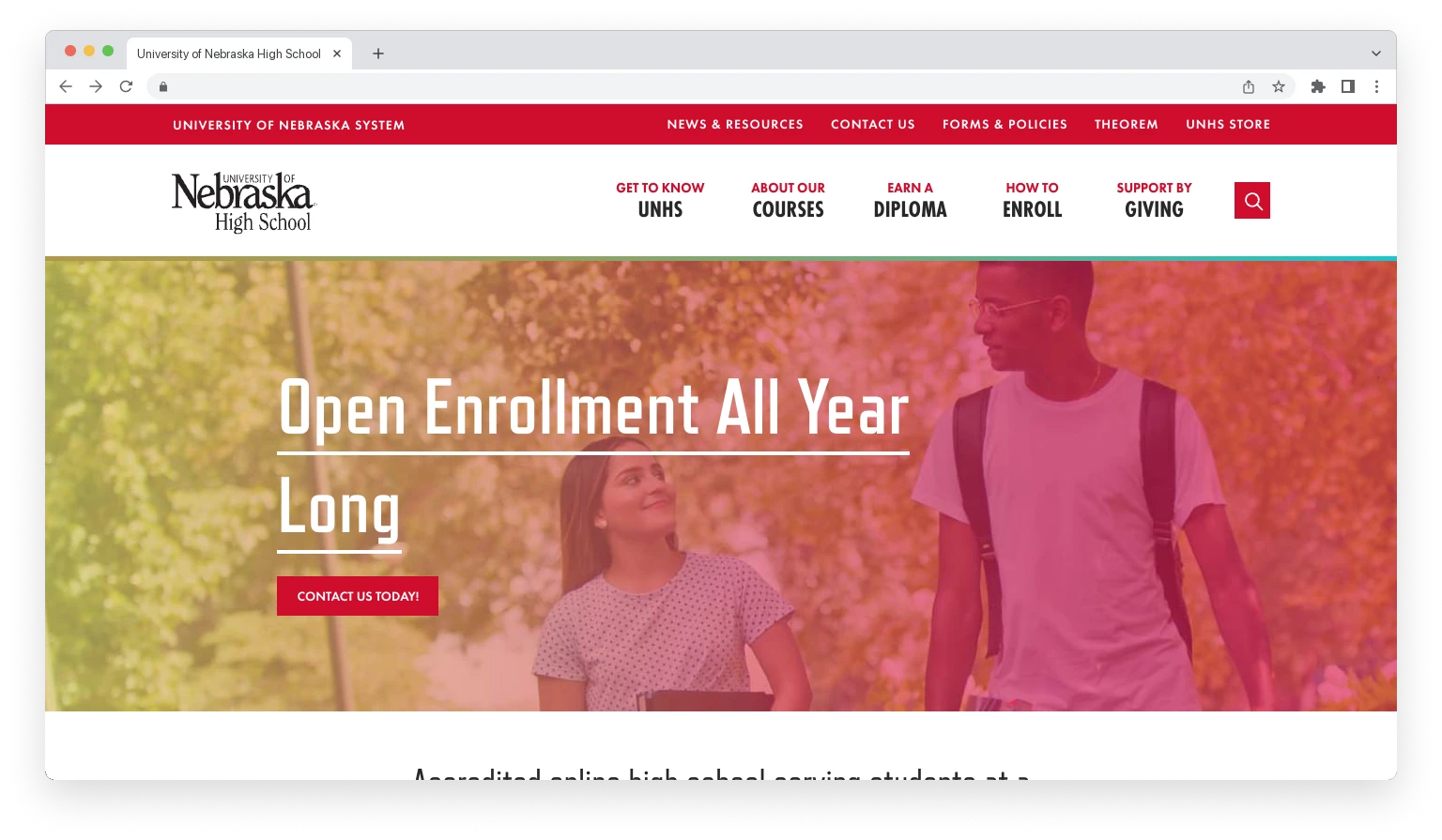 University of Nebraska High School
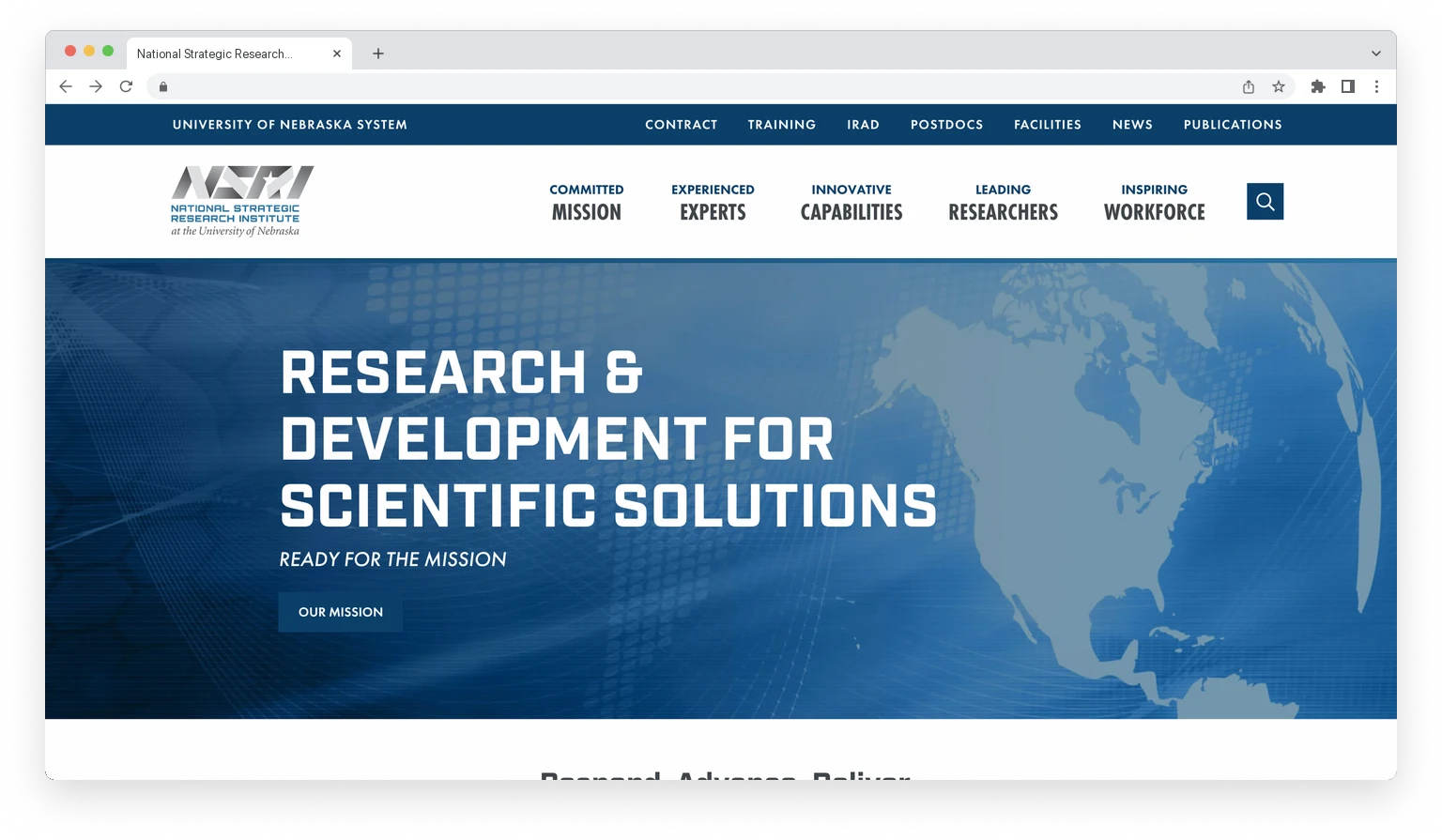 National Strategic Research Institute
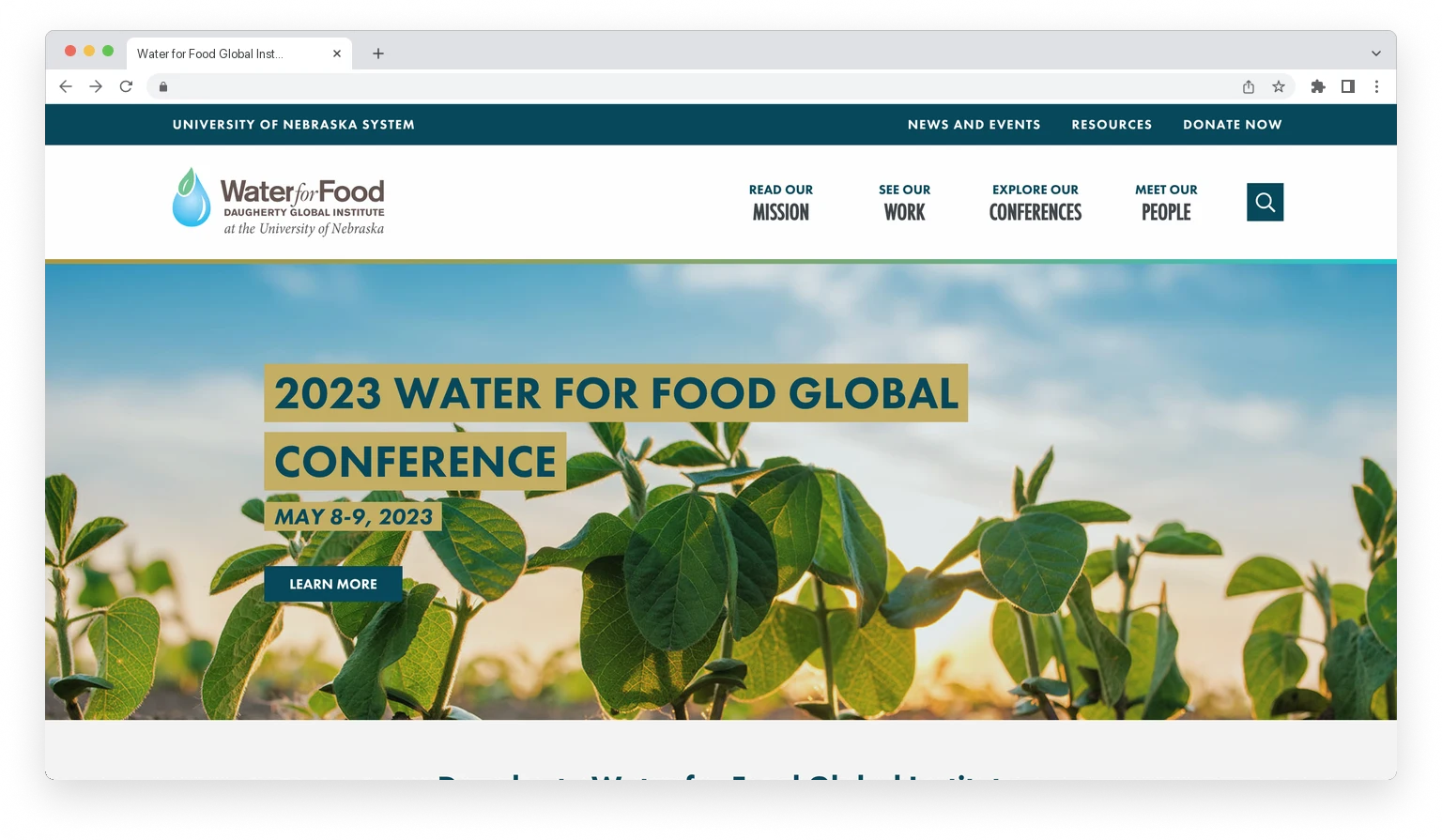 Daugherty Water for Food Global Institute
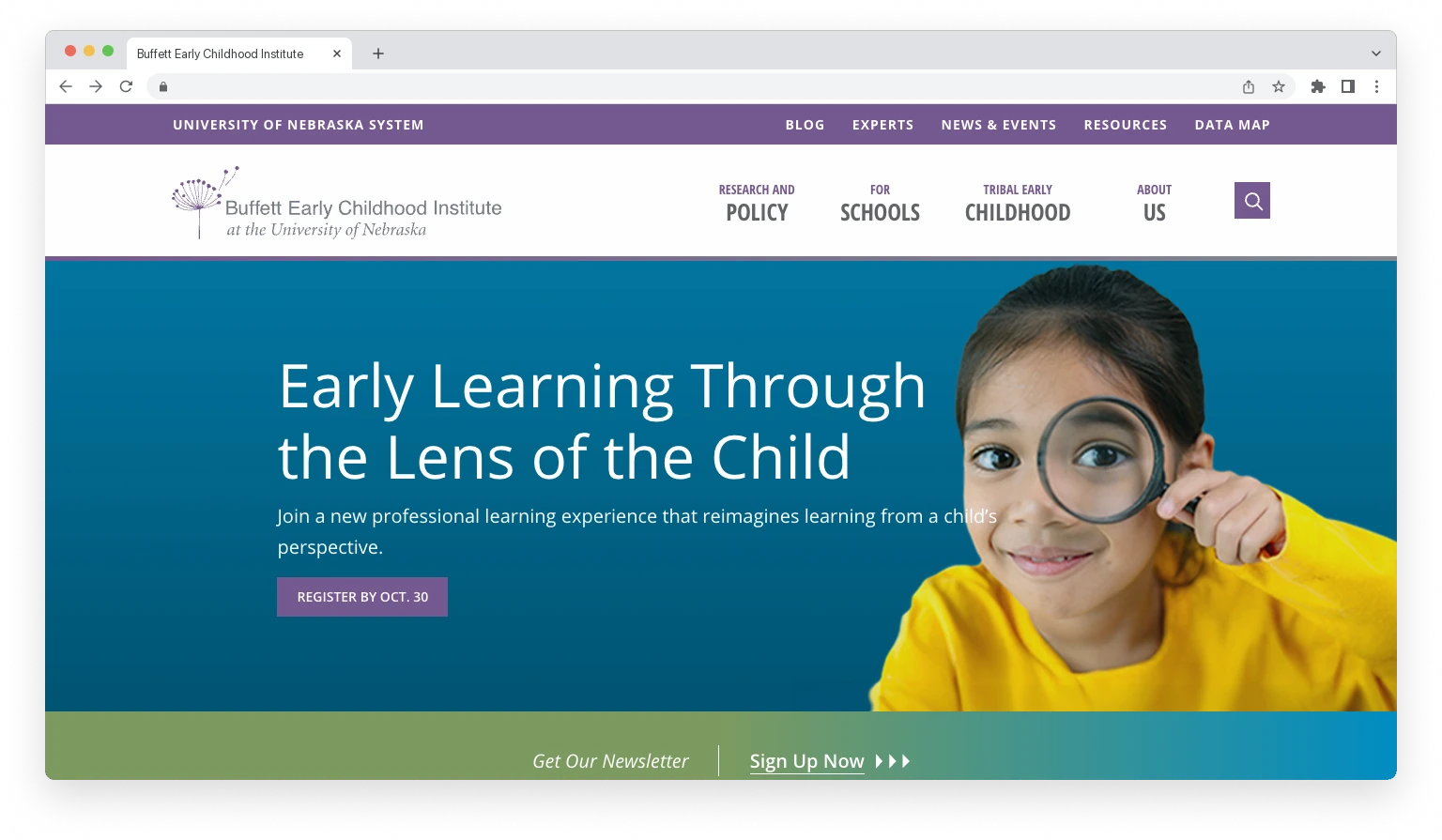 Buffett Early Childhood Institute
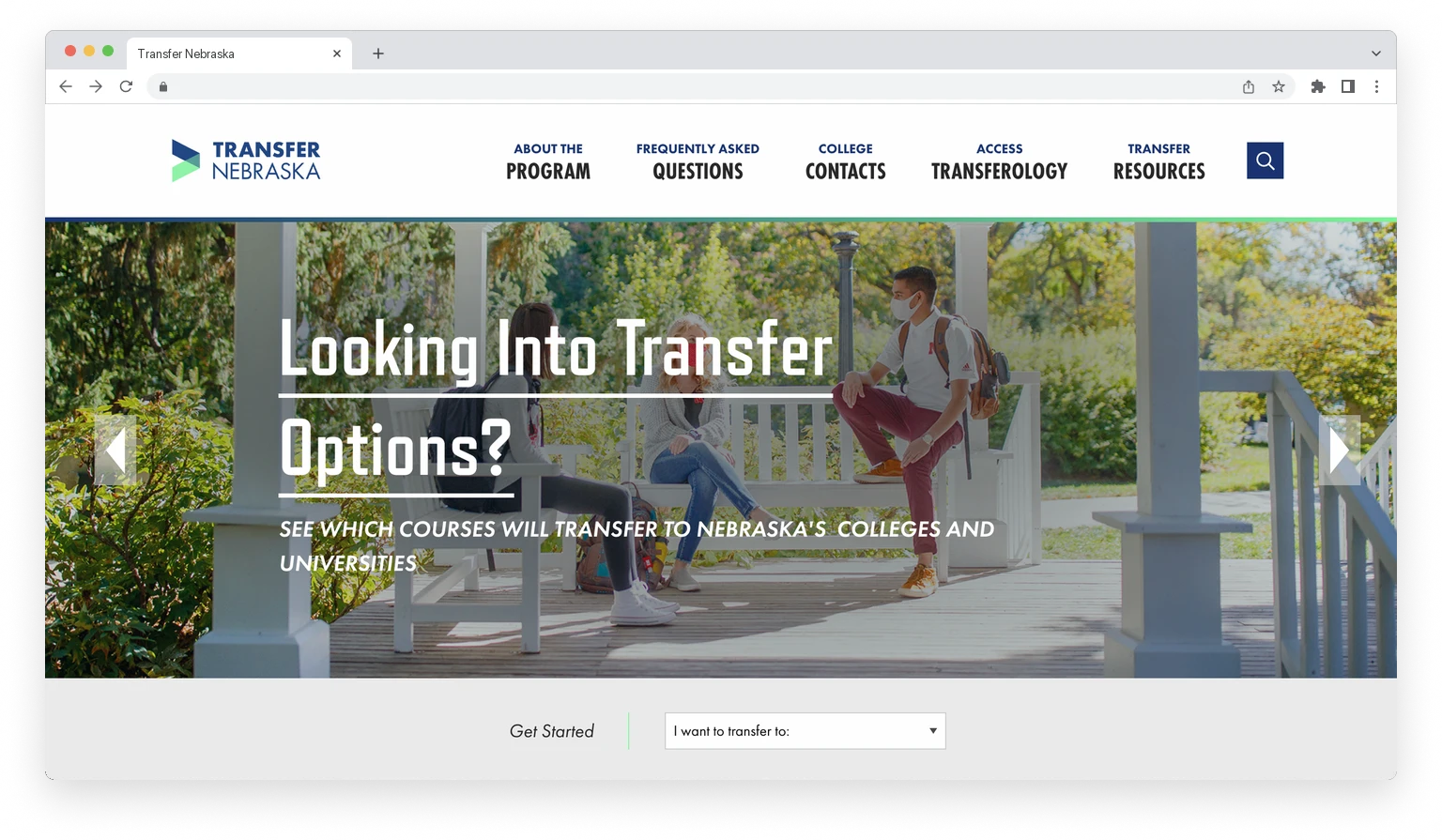 Transfer Nebraska
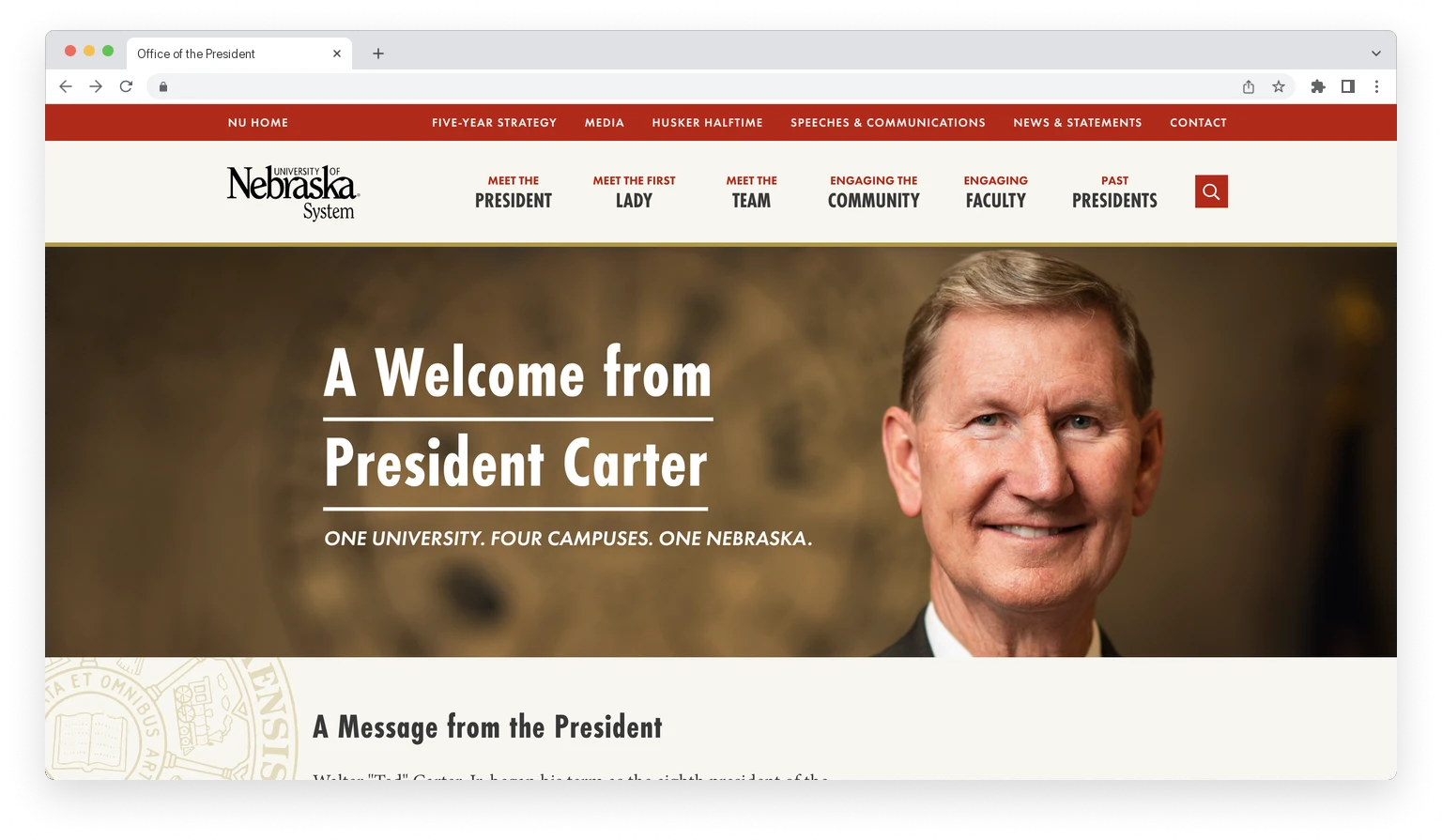 Office of the President
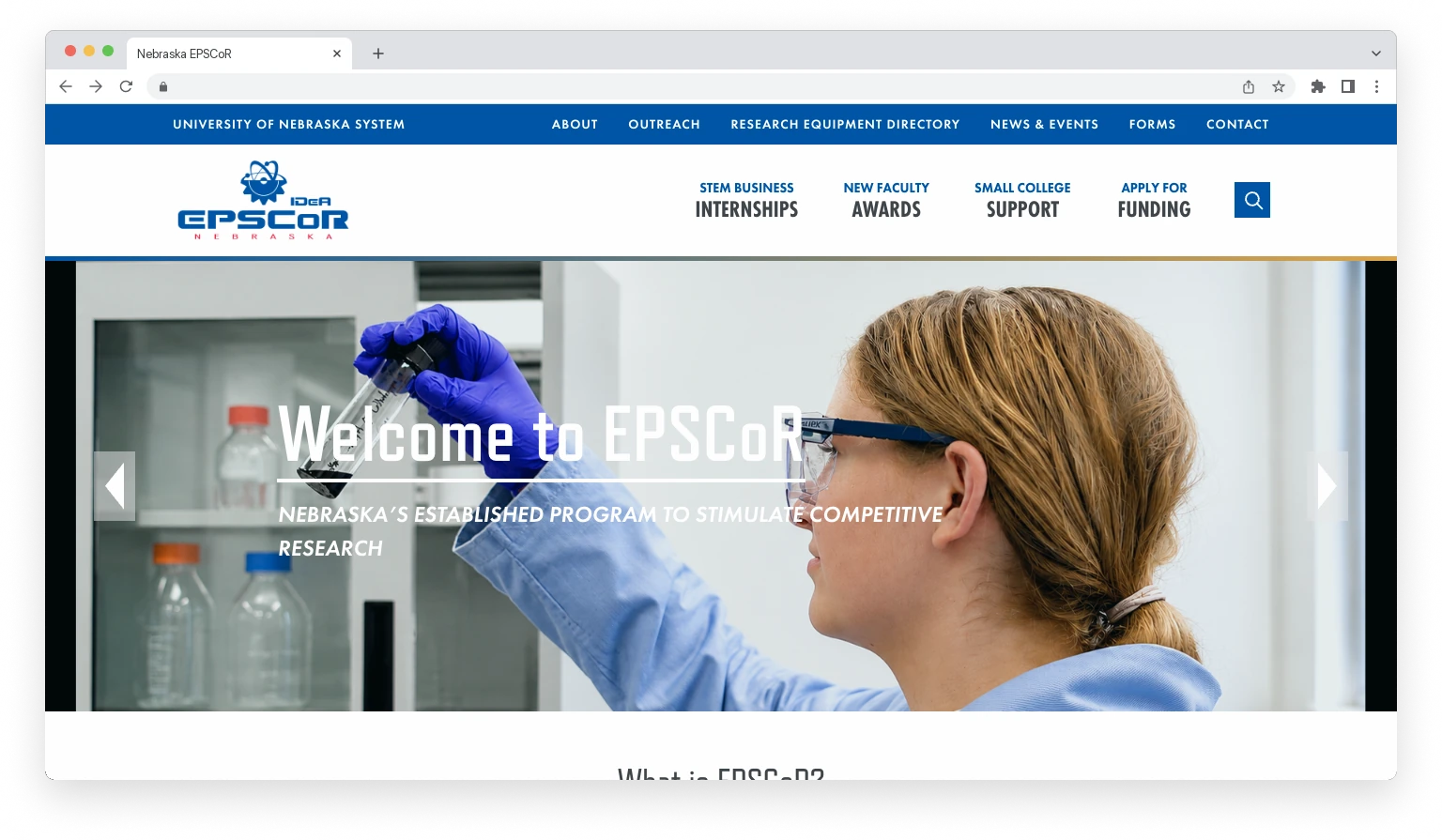 Nebraska EPSCoR
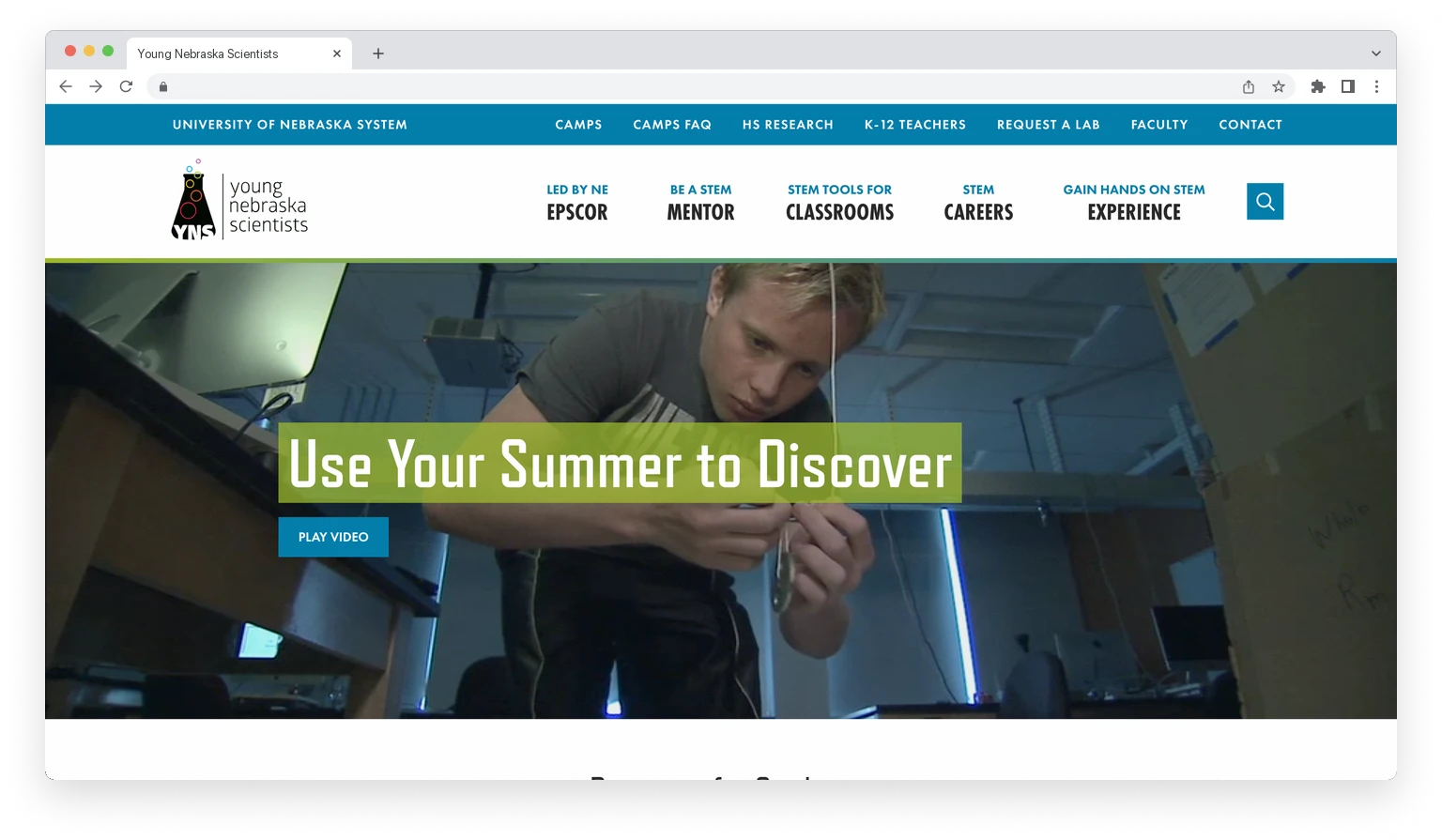 Young Nebraska Scientists
NUcleus gave organizations across the university a shared design foundation while preserving their distinct identities. The system and layouts are mine. The photography belongs to the University and each institute.
Before NUcleus, departments often waited for central-team capacity or hired outside design and development help. The shared system gave marketing teams more control over their own sites while preserving the University of Nebraska System’s overall brand standards.
Accessibility requirements and fixes moved into shared components instead of being recreated independently by every site team. Improvements funded or requested through one engagement could strengthen the shared system and become available to every participating team.
Nebraska Online provides the clearest example. I led its migration away from an external vendor and directed the front-end and shared-component work that moved it onto NUcleus. Ending the external arrangement removed recurring hosting and maintenance costs. Components developed through the migration returned to the shared collection.


Reuse reduced repeated implementation work, leaving the central team more time for new components, difficult content problems and direct support where it added the most value.
Built to Outlast Its Original Platform
I left the University of Nebraska in December 2022. In 2025, the university moved from Sitecore to Cascade.
I did not plan, lead or contribute to that migration. The later team carried the NUcleus front end into the new platform.
The system survived a change in CMS and a change in the team responsible for it. That durability came from treating the front end as a reusable product foundation rather than an extension of one publishing platform.
NUcleus remains in use today.
Reflection
Direct stewardship kept NUcleus coherent while it was growing, but it also concentrated review and system knowledge in one person.
Given another pass, I would formalize contribution and review earlier. Shared ownership would let teams extend the system without depending on one steward while preserving the standards that made reuse valuable.
The lasting lesson was not that every interface should look alike. A design system succeeds when it gives different teams enough structure to move independently without forcing each of them to rebuild the foundation.
“When Holly started at the University of Nebraska System, I was in charge of the website and was having it redesigned to match modern standards. Holly noticed that Nebraska.edu didn't use a design system and pitched it for efficiency and consistency. When I bought off on the idea, she designed, implemented, and maintained the design system and has managed it over the past several years. Her smart, detailed work has saved the University countless hours of work and resulted in consistent design elements across all subdomains and web properties. Holly is a careful and reflective thinker with a passion and strong eye for design, and I appreciate the results of those talents.”
The NSRI 2024 Biennial Report was completed as a contracted project after my employment with the University of Nebraska.
Continue exploring
View all work →- Web Platform Practice
Nebraska.edu
A repeatable web-platform practice that gave distinct university brands a shared foundation and marketing teams the tools to run their own sites.
Information architecture · Content strategy · Sitecore
- Product Design
Theorem
A decades-old learning platform rebuilt around observed workflows and usage data, creating the application patterns that became NUcleus for Apps.
Product design · Research · Front-end prototyping

